
How to Build a Skincare Routine for Sensitive Skin
If you have sensitive skin, you already know it does not take much for things to feel off. One new product, one harsh cleanser, one overhyped active, and suddenly your skin feels dry, tight, red, irritated, or just unsettled.
The tricky part is that sensitive skin usually does not need more. It needs less, but better. A good routine is not about using the longest list of products. It is about choosing a few products that help your skin feel calm, supported, and consistent day to day.
If you are trying to build a skincare routine for sensitive skin, here is a simple place to start.

What does sensitive skin actually need?
Sensitive skin usually responds best to products that focus on three things:
gentle cleansing
hydration
barrier support
That means avoiding routines that are too aggressive, too active, or too complicated. Stripping the skin, over exfoliating, or constantly changing products often makes things worse.
A good skincare routine for sensitive skin should help your skin feel comfortable, balanced, and less reactive over time.
Step 1, Start with a gentle cleanser
The first step in any skincare routine for sensitive skin is using a cleanser that does its job without leaving your face feeling dry or tight afterwards.
A lot of cleansers remove more than they need to. They take away oil, moisture, and comfort all at once, which can leave sensitive skin feeling stressed before the rest of your routine even begins.
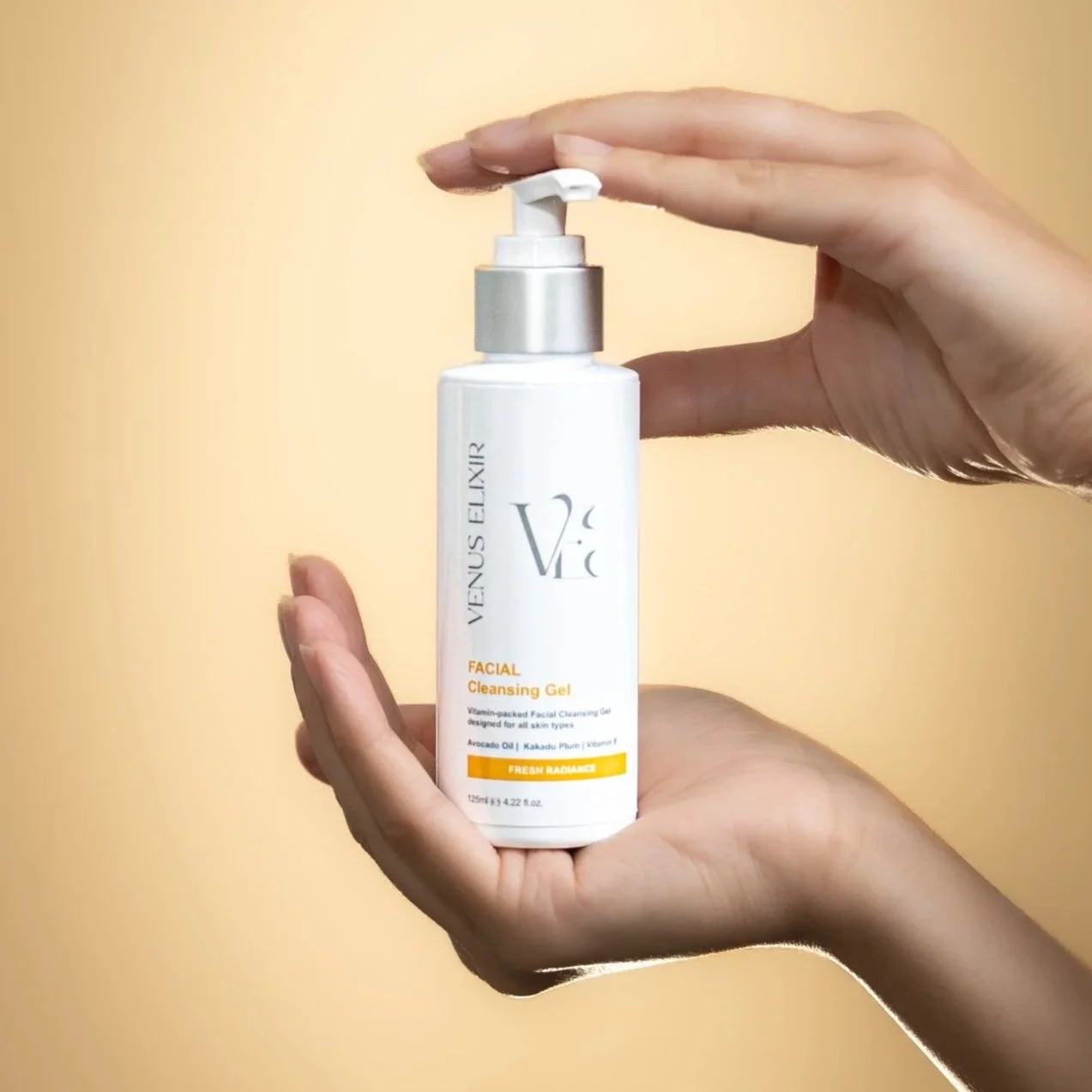
A gentle Facial Cleansing Gel is a much better place to start. The goal is simply to remove the day, freshen the skin, and prepare it for hydration without creating that stripped feeling.
Step 2, Add hydration straight after cleansing
Once the skin is clean, this is the best time to bring hydration back in.
Sensitive skin often feels better when hydration is layered in early, rather than waiting until the very end of the routine. A lightweight mist or toner can help soften the skin, reduce that dry feeling after cleansing, and make the whole routine feel more comfortable.
Our Perfecting Toner & Hydrating Mist fits nicely here because it is easy to use, lightweight, and designed to help refresh and rebalance the skin without heaviness.
This step can seem small, but for sensitive skin it often makes a noticeable difference.
Step 3, Seal it in with a moisturiser
After hydration, the next step is moisturiser.
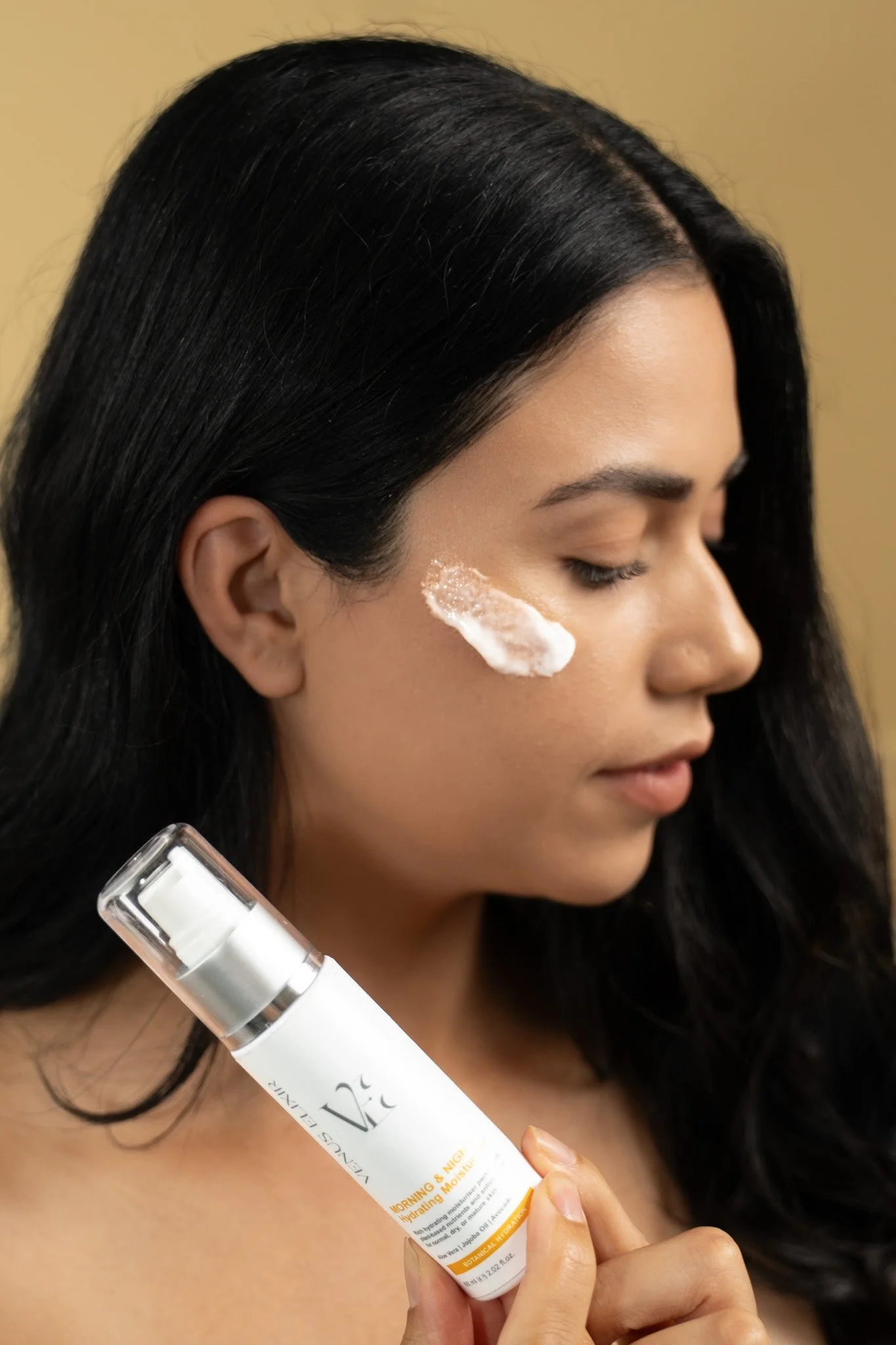
This is where you help support the skin barrier and lock in the comfort you have just added. Sensitive skin usually needs a moisturiser that feels nourishing enough to protect the skin, but not so heavy that it feels greasy or overwhelming.
A good daily moisturiser should help the skin stay soft, balanced, and supported through the day and overnight. Our Morning Night Moisturiser is a simple option for this kind of routine because it keeps the focus on hydration and comfort rather than doing too much at once.
For a lot of people with sensitive skin, consistency with this step matters more than chasing the next trendy serum.
Step 4, Exfoliate gently, and not too often
One of the biggest mistakes people make with sensitive skin is exfoliating too much.
Exfoliation can be helpful, but only when it is done gently and not too often. Sensitive skin does not usually respond well to harsh scrubs or strong acids used too frequently. That is when irritation, redness, and barrier disruption start showing up.
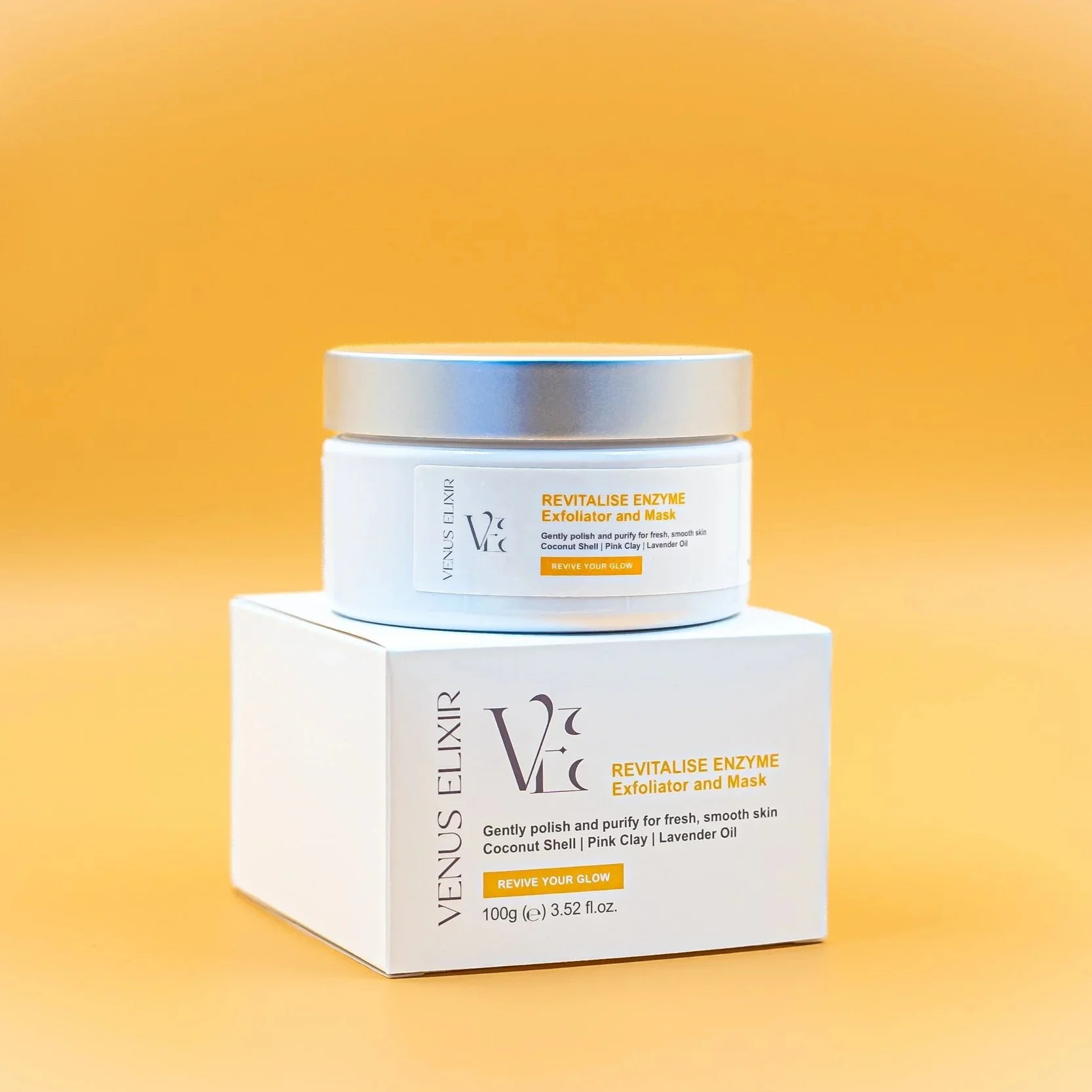
A gentler treatment, like our Revitalise Enzyme Exfoliating Mask, can be a better option because it is designed to help remove dead skin while still feeling calm and supportive on the skin. With fruit enzymes, oat flour, and lavender, it is more about refining and refreshing than forcing the skin to react.
For most sensitive skin types, once a week is enough.

Keep your routine simple
If your skin is sensitive, there is a lot of value in keeping your routine straightforward.
A good basic routine might look like this:
Morning
Gentle cleanser
Hydrating mist
Moisturiser
Sunscreen
Evening
Gentle cleanser
Hydrating mist
Moisturiser
Once a week
Gentle exfoliating mask
That is enough for most people to start seeing improvements in comfort, hydration, and overall skin feel.

How to know if your routine is working
A skincare routine for sensitive skin is working when your skin starts to feel more stable.
That might look like:
less dryness
less redness
less stinging when applying products
better hydration
a smoother, calmer skin texture
It does not need to happen overnight. Sensitive skin often improves with consistency, not intensity.
Common mistakes to avoid with sensitive skin
When building a routine, try to avoid these common issues:
Using too many products at once
It becomes hard to tell what is helping and what is causing problems.
Chasing fast results
Sensitive skin usually does better with slow, steady improvement.
Over exfoliating
More is not better here. Gentle and occasional is usually enough.
Ignoring the skin barrier
If your skin feels tight, reactive, or easily irritated, barrier support should be the priority.
Final thoughts
The best skincare routine for sensitive skin is usually the one that feels simple, calm, and easy to stick to.
You do not need a shelf full of products. You need a few well-chosen ones that cleanse gently, add hydration, and help the skin stay supported. That is where a routine built around a gentle cleanser, a hydrating mist, a daily moisturiser, and a mild exfoliating mask can make a real difference.
If your skin has been feeling irritated, dry, or easily overwhelmed, simplifying your routine may be the best place to begin.

4.22 fl oz / 125 ml
SKIN TYPE: All Skin Types
Hydrating Organic Rose Water, Kakadu Plum and Green Tea Extract provide a natural antioxidant. This natural toner also helps to keep the skin hydrated without using common drying agents such as alcohol.